
Cycling Training. How to ride faster and further.
 If you’ve ever wanted to ride your bike faster or further, you’re not alone. Lots of people are motivated to improve their performance for a future event, be it a competitive race or a personal challenge, such as a long charity ride.
In this guide, we break down the tools and approaches that can help you train smarter—not just harder—including heart‑rate (HR) training, power‑based training, and choosing between apps or a coach.
If you don’t measure it, you can’t manage it.
How do you go about it though? Do you just ride more? That is one way, but you may be missing out on developing your full potential or not making the best use of your time. How do you know if you’re doing too much, too little, and whether it’s at the right intensity?
Choosing the right heart rate monitor
You could buy a heart rate monitor. They’re relatively inexpensive in terms of cycling related purchases. A chest strap tends to be a better, more accurate option for cycling than wrist-based, optical options like a smartwatch.
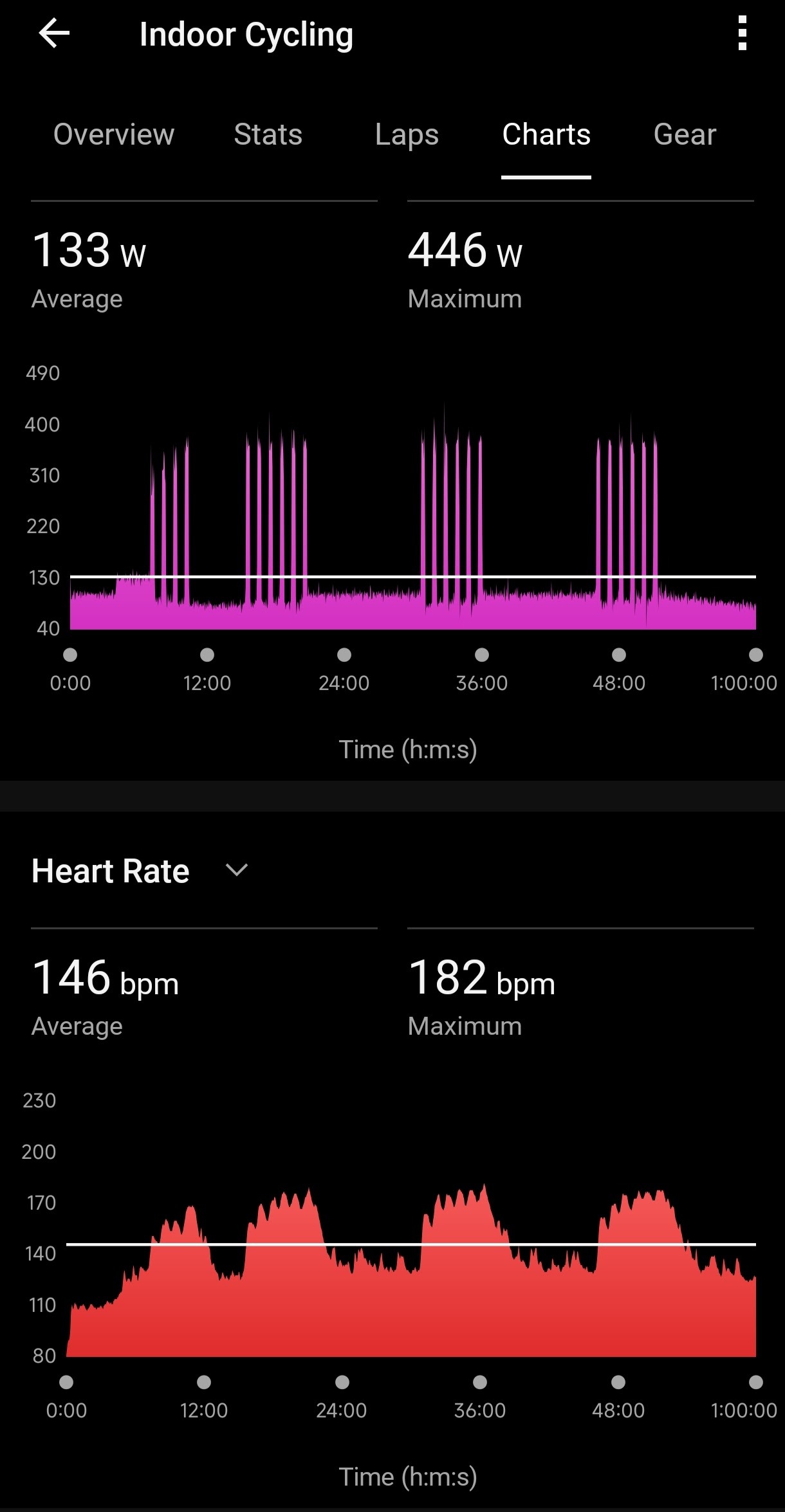
Establish your maximum heart rate, enter it into a convenient app, like Garmin Connect, and you’ll begin to understand how rides compare to one another. I’ve had good results and a decent lifespan with Polar H10 units but found the cheaper Wahoo Tickr not to last as long.
Why power meters are the gold standard
Spending a bit more money on a power meter gets you a tool that is considered the gold standard for training. You will need to make a choice between:
How do you know which is best for you? A left leg only unit is a cheaper option. But, if you have one leg stronger than the other i.e. your left:right balance isn’t 50:50 the reading won’t be accurate. How do you know what your balance is without going out and just buying a dual system? A Wattbike session at the gym might give you an insight, but a dedicated pedalling analysis test at a bike fit studio will definitely provide you with that information.
The advantage the power meter has over the heart rate monitor is that it’s a true measurement of the work you’ve completed and isn’t influenced by:
Whether you’re pedalling into a block headwind or enjoying a tailwind, on a hilly or flat route, you’ll be able to see the power you’re generating and how long you have held it for.
So, with those two tools, you can begin to analyse your riding. A piece of the puzzle is still missing though. How should you use this information to create a training plan, and what options are there?
How do you create an effective training plan?
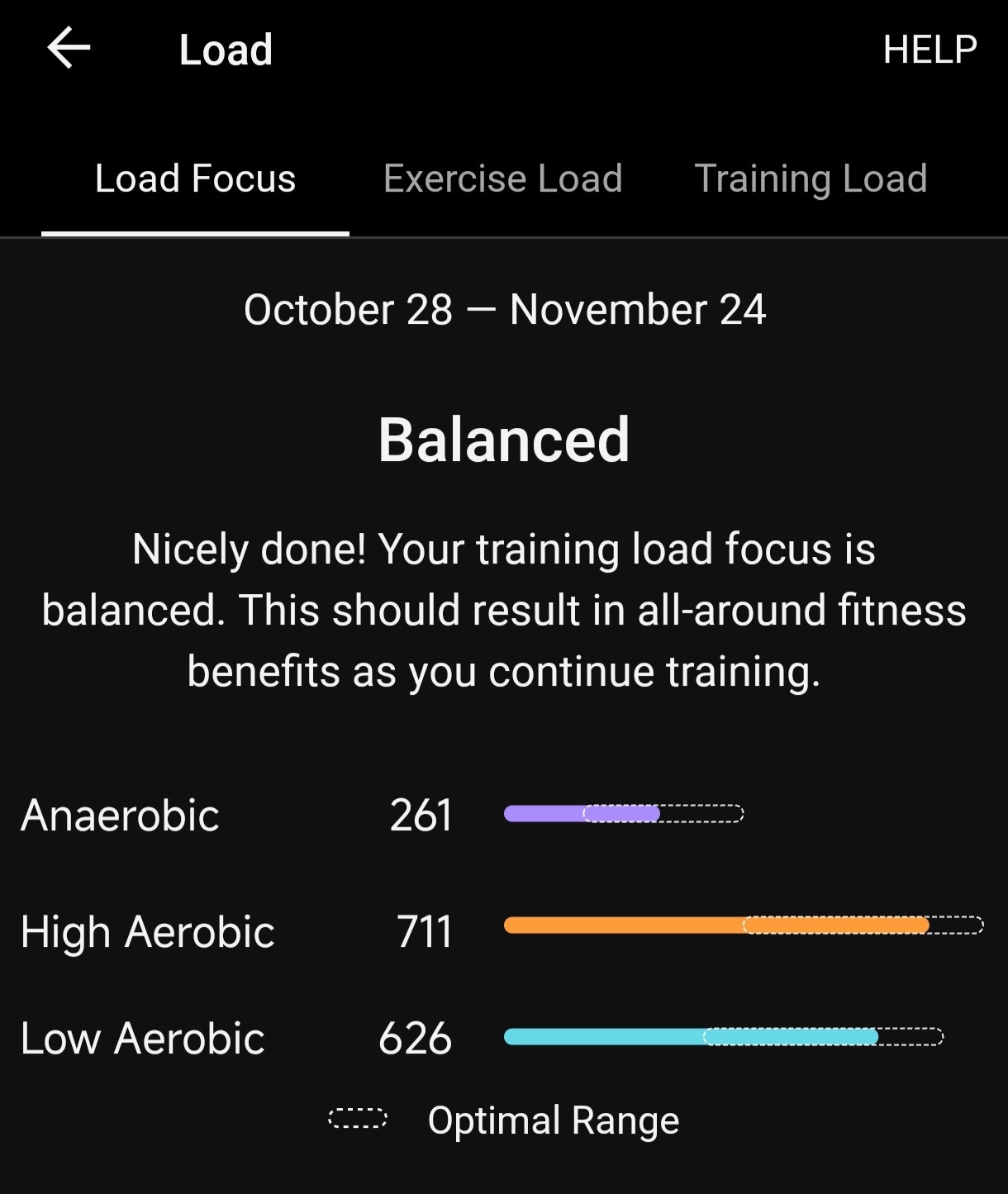
With the advent of machine learning (it’s not really AI is it) there are lots of cycling apps now on the market that can create a training plan for you. You can feed in your event date, the type of event, the number of hours, and the days that you are available to train. The software will then work out the sessions that will get you to your goal in the best shape possible.
These sessions will have prescribed power or heart rate targets to hold for a set time duration. With some of the apps, you can specify whether you’re training outdoors or indoors on a turbo trainer. The app can even control the turbo trainer resistance automatically for you (Erg mode), meaning you can just pedal and catch up with Netflix. You may need to make a few modifications to the training plan along the way to cater for holidays or sickness. The rest is then up to you to follow the plan.
Apps vs coaches: what’s right for you?
Another option is to use a Cycling Coach. There are many benefits to using a Coach. A Coach will create a bespoke plan that meets your personal needs. This could be to suit the time you have available around shift work, for example. Coaches hold you accountable for your training. For some cyclists, knowing that they are being watched is the motivation needed to ensure they stick to the plan and don’t slack off.
Coaches will listen and use your feedback to tailor the training around your life and can advise on other things such as fatigue, nutrition, equipment and injuries, too. Training isn’t just about the time on the bike. Coaches can also recommend strength and conditioning to increase power and reduce the likelihood of injury, too.
If you’re interested in using a Coach’s services, it’s worth checking their credentials and getting feedback from other customers who have used them. It’s also important to look at their fees and understand what they offer, as there’s a lot of variation.
Need some help?
If you want help understanding your power or heart-rate data or you would like a personalised training plan Mat Millns is a local Coach in Leicestershire and Warwickshire. Mat is a British Cycling Level 3 Coach. Training plans start from £15 a week. Mat combines his knowledge as a Cycle Coach, Massage Therapist, Yoga Instructor and Strength & Conditioning Coach to tailor plans accordingly.
Thank you for reading our latest blog, Cycling Training. How to ride faster and further. If you have any questions, please Get In Touch.
Scott
fitmybike.co.uk
Key Takeaways